
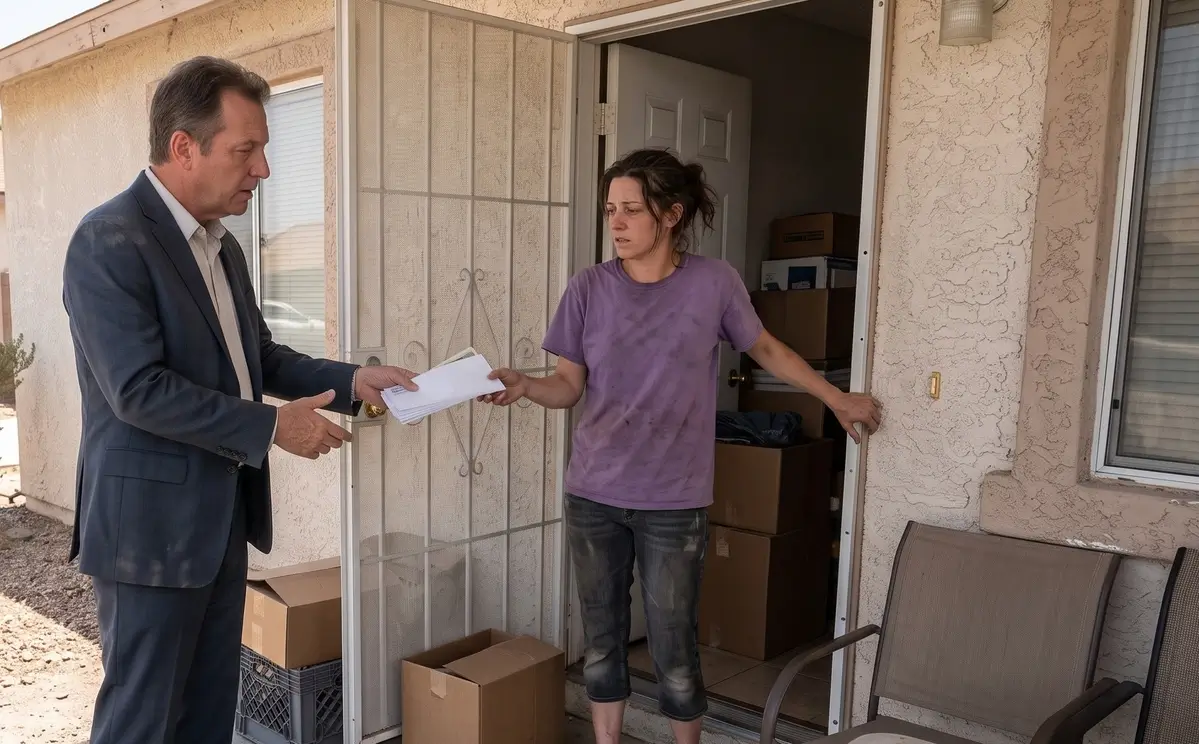
Three months of silence from a tenant usually means an owner's patience has run out before the paperwork even catches up. Some disputes never reach this point, especially when rules get spelled out first during the lease signing itself, but once that window has closed, the choice narrows to two paths: a private payout or a formal filing through Teton County's court system.
The two rarely cost the same amount, a detail most landlords only discover once the invoices start arriving.
Key Takeaways
- A tenant who stays reachable and honest usually makes a private payout the faster, less costly option.
- Damage, safety concerns, or a tenant who stops responding tend to push a case toward formal court action.
- A contested eviction in Teton County can cost several times more than a negotiated exit once lost rent adds up.
- A signed agreement gives an owner real protection, while a verbal promise gives almost none.
- How a tenant behaves during the dispute reveals more than his original rental application ever could.
What Each Path Actually Costs
A formal eviction moves through notice, filing, a court hearing, and sometimes a writ of restitution, while a private payout skips straight to an agreed exit date. The table below breaks down what each tends to run on a Teton Valley rental bringing in around $1,800 a month.
| Cost Factor | Contested Eviction | Negotiated Payout |
|---|---|---|
| Attorney or legal fees | Often exceeds $2,800 once a hearing gets scheduled | Typically none, no filing required |
| Lost rent | Two to three months while the case sits on the docket | Usually one month or less |
| Repairs or cleaning | Possible if the unit sits neglected during the delay | Rare, since the exit date is agreed upfront |
| Total estimated range | $5,300 to $8,000 | $1,400 to $2,800 |
That gap tends to surprise owners who budget only for the filing fee and forget to account for the weeks of lost income that stack up while a contested case waits its turn.
A Real Example From One of Our Clients
We worked with an investor who agreed by phone to pay a tenant to vacate within two weeks. Nothing got put in writing, just a number and a handshake. The tenant accepted the deal, then stalled the actual move-out for nearly a month, leaving the investor with no documentation to point back to. He eventually got the unit back, but the delay cost him close to three weeks of rent he hadn't budgeted for. He later admitted a single signed page would have changed the whole outcome.
When a Private Payout Stops Being the Smart Move
A negotiated move-out depends on both sides staying straightforward with each other. A handful of situations tend to push a landlord toward the courthouse instead of the negotiating table.
- The tenant stops answering calls, texts, or written notices entirely.
- The tenant disputes the amount owed or declines every reasonable offer.
- Property damage needs resolving through the deposit or small claims court.
- A documented pattern of late payments needs to exist on file for future reference.
- A lease violation could follow the tenant into their next rental application elsewhere.
Any one of these turns a cash offer into only a partial fix, since the owner ends up paying out while still carrying repair costs or legal exposure. Investors preparing a unit for its next tenant often benefit from reviewing which improvements create more work than value after repeated turnover, since the priciest finish rarely holds up the way the estimate promised.
Steps That Keep a Negotiated Exit on Track
Most of the trouble owners run into with a private payout traces back to moving too fast or trusting a spoken agreement to hold once money changes hands. A few steps keep the process from unraveling.
- Put every term in writing before any money or keys change hands.
- Hold back full payment until the unit is vacated and confirmed.
- Try a calmer conversation first, rather than filing out of frustration.
- Confirm the tenant has a new address lined up before releasing final funds.
Skipping any of these steps tends to raise the total cost rather than lower it, since a rushed filing almost always runs more than a conversation that could have settled the matter directly. Court-tracked figures from other state systems show that filing and service fees alone can run upward of $450 in combined filing, court, and service fees, with attorney time and lost rent stacking quickly on top of that baseline.
Reading What a Tenant's Behavior Actually Signals
Teton Valley's rental market moves fast enough that guessing a tenant's intentions from a lease file alone rarely holds up for long. We've guided plenty of local owners through this exact decision point, and a consistent pattern tends to surface no matter how reliable a tenant seemed during the original screening.
- She keeps communication open even when she can't pay the full amount right away.
- He proposes a realistic timeline instead of waiting to be pushed into one.
- They ask specific questions about the agreement rather than avoiding the subject entirely.
Owners who've reviewed the premium rent trap, catching other local owners, already understand how quickly a stable-looking tenancy can shift once a tenant's finances take a hit.
Why Affordability Pressure Keeps This Issue Alive
Nationwide affordability pressure adds real context here too. Figures showing 51.8 percent of U.S. renter households now spend more than 30 percent of their income on rent help explain why a once-cooperative tenant relationship can turn tense within weeks, a pattern that keeps resurfacing across Teton Valley rentals of every size.
Protecting the Numbers No Matter Which Way This Goes
We review our residential guarantees with owners for exactly this reason, since financial pressure on a tenant doesn't always show up until a payment is already late. A free rental analysis can also clarify what the unit should rent for once it's ready to list again, which matters whether the current dispute ends in a payout or a full court filing. Owners weighing their next move can find more guidance on our owner resources page as well.
FAQs about Cash for Keys in Teton Valley, Idaho
Does Teton Valley's mountain tourism economy affect cash for keys negotiations?
It can, since owners facing a slow off-season may offer a larger payout to resolve a dispute quickly rather than sitting on an empty unit through winter.
Is a cash for keys agreement different for a long-term rental versus a short-term one?
Yes, short-term arrangements often settle faster since fewer belongings and shorter notice periods are involved compared to a long-term tenant with an established household.
Can a landlord offer cash for keys before formally serving a late notice?
Yes, a payout conversation can happen at any point, even before any formal notice gets issued, since the two processes work independently of each other.
What's a reasonable timeline to expect once a cash for keys offer is accepted?
Most agreements wrap up within one to two weeks, though mountain-area moves sometimes take longer depending on road conditions and available moving help.
Should a landlord require a written move-out inspection as part of the agreement?
Yes, a joint walkthrough documented in writing protects both sides and helps resolve any disagreement over the deposit once the tenant has left.
Letting the Situation Decide, Not a Standard Playbook
No two lease disputes carry the same weight, and no fixed routine covers every version of this decision well. What actually guides the smarter move is watching how a tenant responds once a deadline or dollar figure enters the conversation, something a cost table can only describe and never fully predict.
PMI Grand Tetons works alongside Teton Valley landlords and investors facing this exact fork in the road regularly, weighing the specifics of each case before pointing toward a direction. Explore eviction protection details before any offer goes out or paperwork gets filed.